


View more BDSM restraint equipment collections:Please click
Types of BDSM Restraint and Discipline Equipment
1. Hand and Foot Restraints
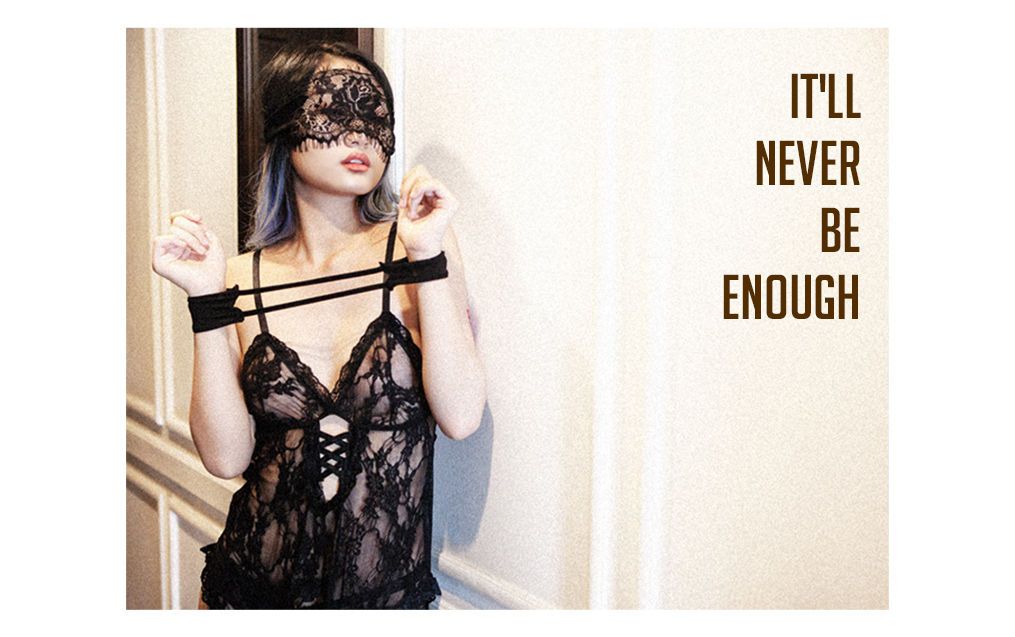
Handcuffs and ankle cuffs are the most classic and versatile items in bondage. They are simple to use and aesthetically pleasing, making them suitable for both beginners and advanced practitioners.
Leather handcuffs: Combining durability, comfort and aesthetic appeal, they are available in a variety of textures, colours and linings.
Metal handcuffs: These are stiffer and require extra care during use to avoid discomfort or injury, but they offer a unique cold sensation and a sleek, industrial aesthetic.
Whichever material you choose for your handcuffs or ankle cuffs, it is essential to familiarise yourself with how to unlock them. This is particularly important for styles that require a key; ensure a spare key is kept within easy reach of your partner to guarantee safety.
2. Rope Bondage
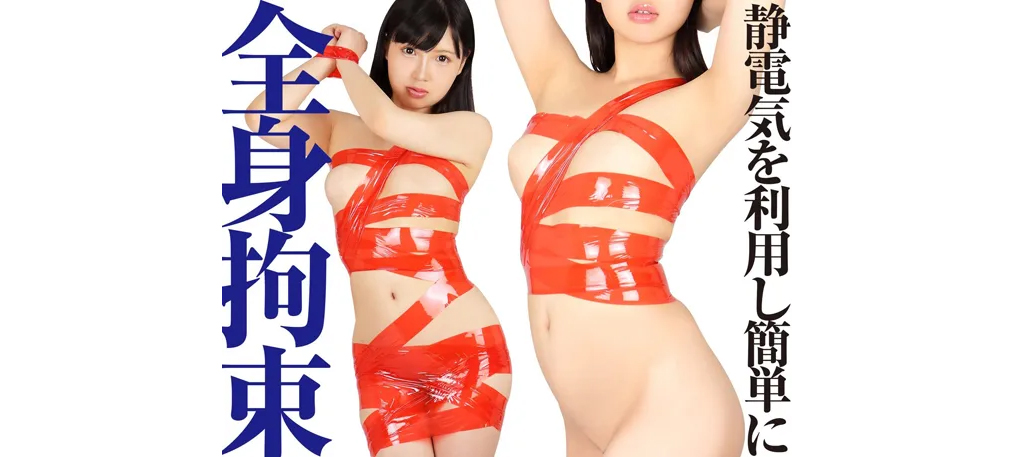
Whilst many people enjoy using classic handcuffs in the bedroom, for those seeking creativity and a challenge, rope bondage offers a completely different experience. The techniques involved in rope bondage are incredibly varied, allowing even experienced practitioners to continually explore new ways of play.
Rope Bondage: Choosing the right rope is crucial. We recommend using natural materials (such as cotton, hemp or silk) to ensure comfort and safety. Avoid plastic ropes, as their high friction can easily cause skin abrasions. Ordinary ropes sold in hardware shops are not specifically designed for BDSM and are generally not safe enough, so these should also be avoided.
Static Cling Tape: We highly recommend this to bondage enthusiasts and beginners alike. This tape is affordable and versatile; it resembles packing tape but is non-adhesive, relying instead on static electricity to hold the layers together. Simply wrap it around the limbs or body for a secure hold; it is both safe and easy to remove.
3. Collars
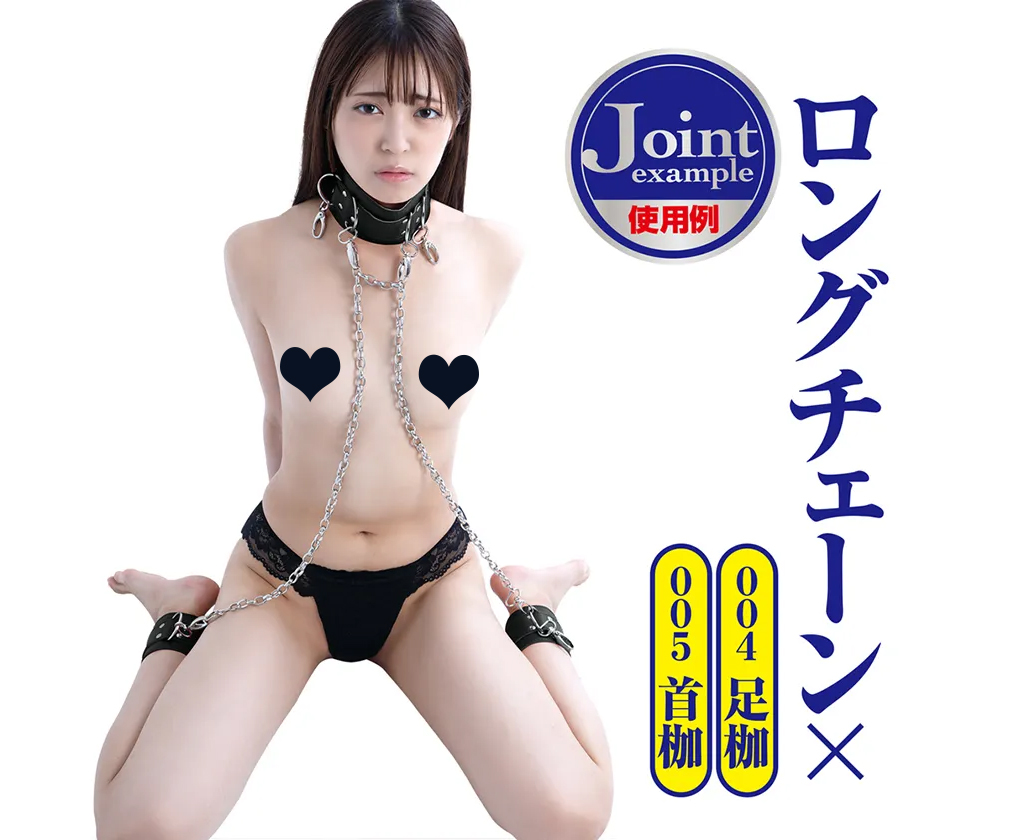
Collars have long been a symbol of D/s relationships, typically presented by the Dominant (Dom) to the Submissive (Sub) to signify the exchange of power. However, the use of collars is not limited to this—they can also be worn in specific scenarios to enhance role-play, or as a symbol of a long-term D/s relationship.
A wide variety of styles: from elegant everyday designs to those specifically designed for BDSM, catering to different aesthetic preferences.
A wide variety of materials: leather, metal, velvet and more, with prices ranging from affordable to luxurious. Suitable for all practitioners: whether you’re a beginner or an experienced practitioner, you’ll find a style to suit you.
As collars are worn around the neck, it is essential to communicate thoroughly with your partner before use to ensure they are comfortable to wear. Any form of choking play can cause serious injury; it is advisable to avoid pulling hard on the collar or straps.