


Let’s get straight to the point: lubricating powders designed specifically for adult toys are safe when used as intended.
In fact, there has long been controversy surrounding talcum powder in the cosmetics and baby powder sectors. Many major brands have been embroiled in litigation over talcum powder-related issues, but the majority of these cases did not result in awards of compensation. The key reason is that the talcum powder used in these products complied with regulations and met safety standards.
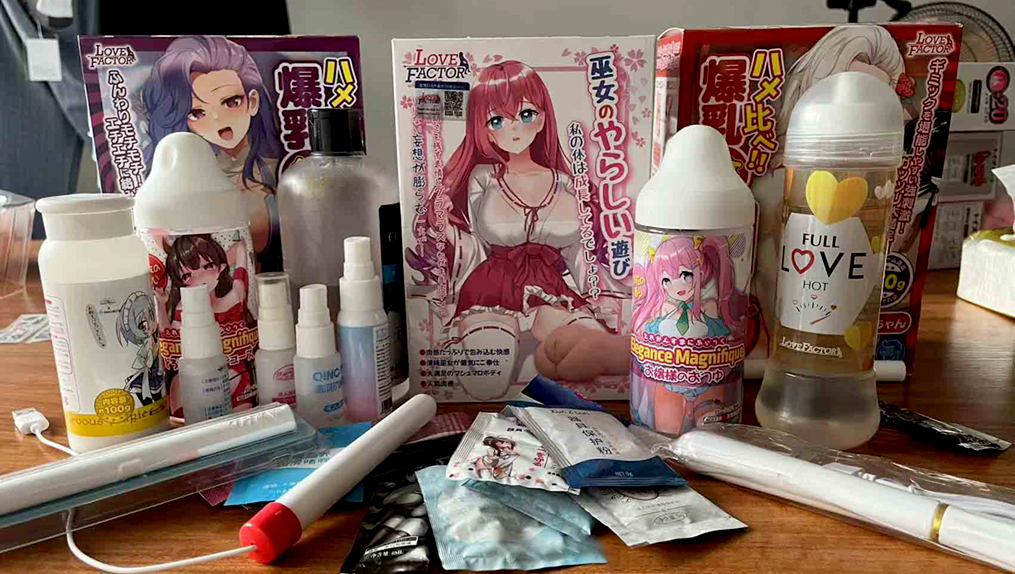
Next, let’s discuss why sex toys such as masturbation sleeves require the use of care powder. To do this, we must first look at the raw materials and manufacturing process of these products.
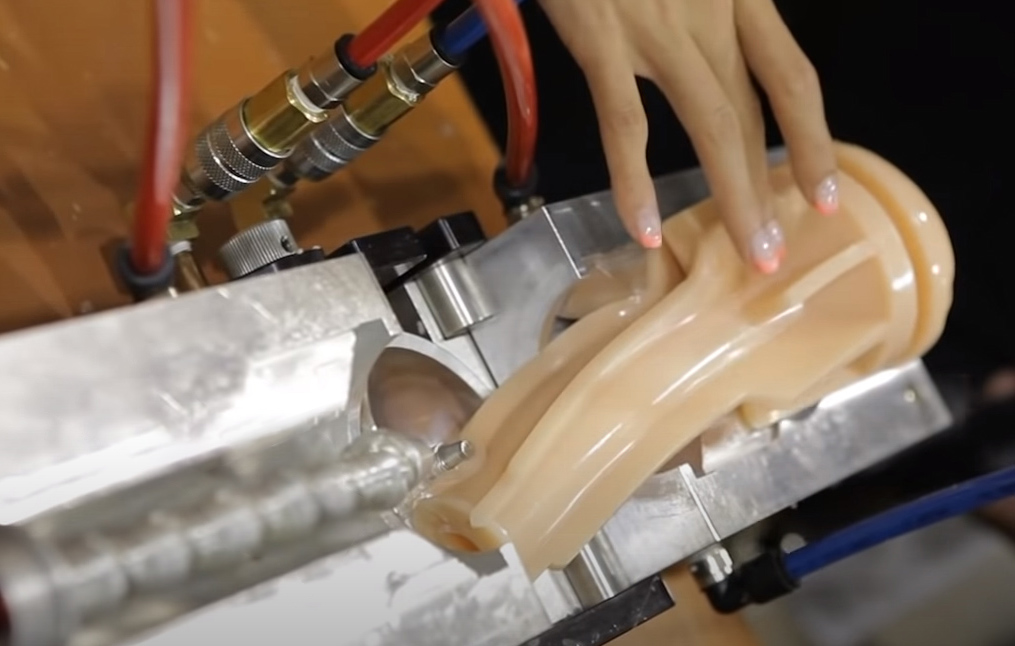
Most masturbators are made from TPE (thermoplastic elastomer). The raw material starts as hard, transparent granules, which are melted at high temperatures, mixed with oils and other additives, and then injected into moulds to cool and set.
TPE is naturally quite firm in texture and requires the addition of high-purity oils to achieve a soft, skin-like feel; the softer the material—as is typical of ‘slow-play’ models—the higher the proportion of oils added, and consequently, the more prone it is to oil seepage.
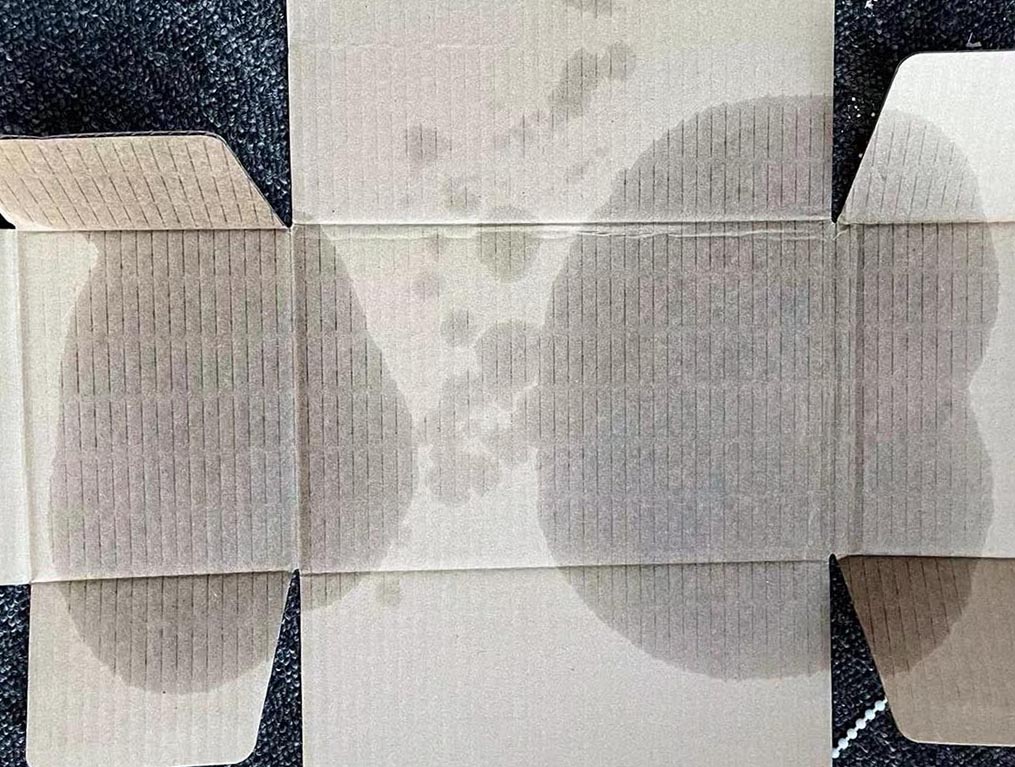
TPE does not absorb oils; at room temperature, it slowly releases the oils contained within. Even products with minimal oil seepage will leave greasy marks if left for extended periods on oil-absorbent surfaces such as cardboard.
The oils added to these toys are of a very high grade—high-purity raw materials suitable for use in cosmetics and even the food industry—and are safe for contact and use.
Care powder is dry, skin-friendly and not easily absorbed by the skin; it works in a similar way to baby powder.
Applying care powder evenly to the surface of the masturbator helps keep it dry, reduces oil seepage and maintains the toy’s original soft texture.
Strictly speaking, the masturbator will not be directly damaged, but if the internal oils continue to leach out, the material will gradually become sticky and harden, significantly diminishing the user experience. As these imported toys are quite expensive, proper maintenance to extend their lifespan is a more cost-effective approach.
For this reason, manufacturers apply a layer of care powder to the surface before the product leaves the factory, to prevent excessive oil seepage during storage, which could affect its preservation.
If you have concerns about care powder, you may opt for a well-known brand of talcum powder as an alternative; however, this will be more expensive, so it is advisable to consider this only once your supply of care powder has run out.
To summarise the key points:
There is no need to fear that the talc in the maintenance powder is carcinogenic. The source of the controversy is talc ‘contaminated with asbestos impurities’, whereas the talc used in toy maintenance powder has had all asbestos impurities removed and meets safety standards.
Furthermore, the maintenance powder is primarily applied to the toy itself and does not come into direct, prolonged contact with human skin; if you remain concerned, simply rinse it off thoroughly before use.