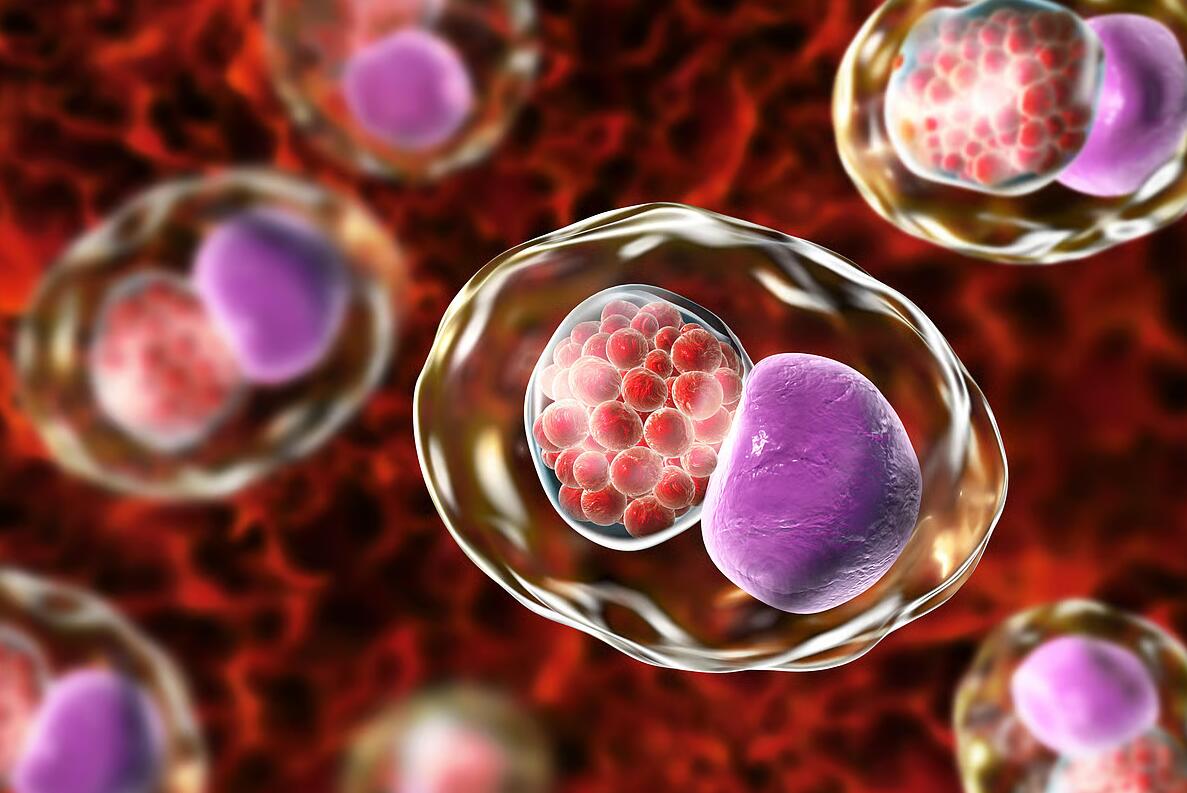



Chlamydia Infection
Chlamydia infection is mainly transmitted through sexual contact and is caused by infection with Chlamydia bacteria. It is one of the most common causes of non-gonococcal urethritis (NGU). The incubation period is usually around 7 to 21 days.
Symptoms
In men, symptoms may include a burning or painful sensation during urination, difficulty urinating, and white or clear discharge from the urethra.
In women, symptoms may include itching or discomfort in the genital area, increased vaginal discharge, pelvic or lower abdominal pain, difficulty urinating, or vaginal bleeding between menstrual periods.
However, approximately 70% of infected women and 30% of infected men may have no symptoms at all. As a result, infected individuals may unknowingly transmit the infection to others.
Complications
In men, severe Chlamydia infection may lead to urethritis, prostatitis, epididymitis, orchitis, seminal vesiculitis, or inflammation of the vas deferens. In more serious cases, it may result in infertility.
In women, the infection may spread from the vagina to the uterus and then to the fallopian tubes. In addition to urethritis, it may cause pelvic inflammatory disease (PID), cervicitis, or inflammation of the uterus. Chlamydia can also damage the tissues of the fallopian tubes, causing inflammation, scarring, and adhesions. These complications may increase the risk of ectopic pregnancy or infertility in the future.
If a pregnant woman is infected with Chlamydia without being aware of it, the infection may be transmitted to the baby through the birth canal during delivery. This may cause Chlamydial conjunctivitis or pneumonia in the newborn.
Diagnosis
Traditionally, Chlamydia testing requires samples to be collected from the urethra or vagina.
Currently, one of the most accurate methods is a DNA-based test that detects Chlamydia DNA in urine or genital secretions.
Older bacterial culture methods are less reliable because the bacteria may die during sample collection or transportation, which can result in inaccurate test results. DNA testing, however, can detect the presence of Chlamydia DNA regardless of whether the bacteria are alive or dead.
Routine blood tests generally cannot accurately determine whether a person currently has an active Chlamydia infection.
Treatment
Chlamydia infection can be treated with antibiotics, and treatment is generally straightforward.
However, if complications have already developed, treatment may become much more complicated. Hospitalization may sometimes be required, and permanent complications or long-term health problems may occur.
Therefore, anyone who may have been infected should receive appropriate testing, diagnosis, and treatment as early as possible.